BLOG ARTICLE
Affiliate Marketing for Faceless Creators: Complete Guide 2026

Affiliate marketing has become one of the most reliable ways faceless creators earn consistent income. The affiliate marketing industry is worth over $17 billion globally and has grown roughly 10% per year, with over 80% of brands running affiliate programs. Ad revenue alone is volatile: CPMs swing with algorithm changes, and many faceless formats see lower rates than personality-driven content. By promoting products and services that fit your niche, you earn commissions on sales made through your links while giving your audience useful recommendations. You don't need a huge subscriber count to start. You need the right programs, clear placement, and honest disclosure.
This guide walks you through choosing programs, placing links effectively, staying compliant, and turning your existing content into a steady affiliate income stream.
TL;DR
- Affiliate marketing fits faceless channels because income doesn't depend on ad CPMs or showing your face; you promote products through reviews, tutorials, and recommendations.
- Place links where viewers look: First 2–3 lines of the video description (above "Show more"), then pinned comment. Links in the description convert 5–10x better than buried or scattered links.
- Disclosure is mandatory: FTC requires clear, conspicuous disclosure of affiliate links. Use simple language like "This video includes affiliate links" in the video and in the description. Non-compliance can result in fines.
- Recurring commissions beat one-time: SaaS and subscription affiliate programs pay you every month your referral stays subscribed. One referral can earn hundreds of dollars over time.
- Match products to your niche: Tech channels promote software and gear; finance channels promote budgeting apps and courses; education channels promote tools and courses. Relevance builds trust and conversions.
Why Affiliate Marketing Works for Faceless Channels
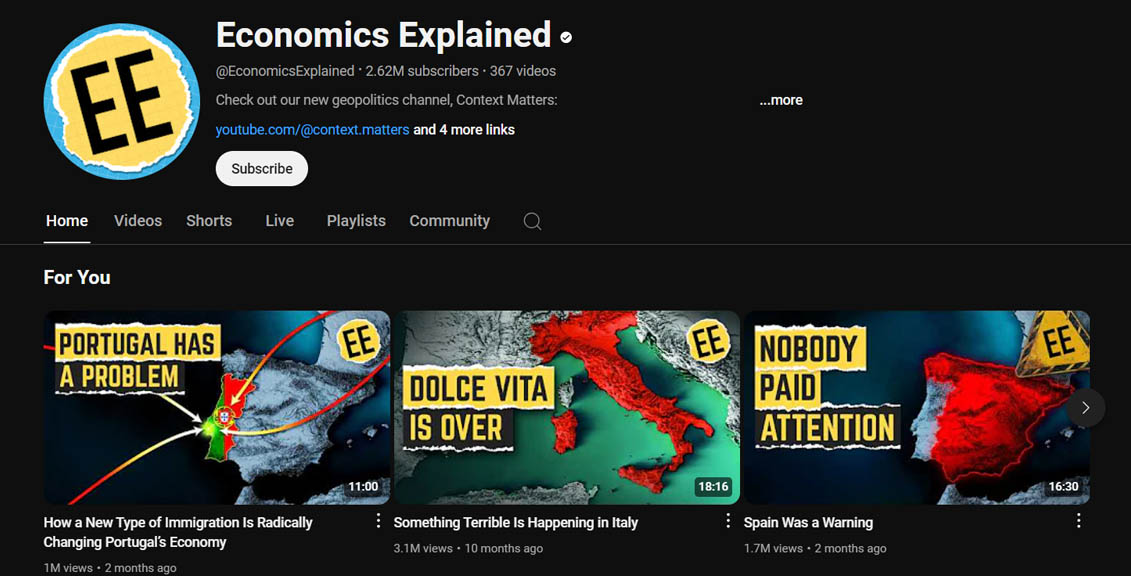
Faceless channels focus on the content, not the creator. Viewers come for tutorials, reviews, explanations, or entertainment. That same focus makes affiliate marketing a natural fit. When you explain how a tool works, compare software, or walk through a process, recommending a product that solves the problem doesn't feel like an ad. It feels like a useful next step. Channels like Economics Explained (over 2.3 million subscribers) or The Infographics Show show that educational and explainer content can drive strong affiliate and sponsorship revenue when the product fits the topic and the link is easy to find.
You don't rely on ad rates. YouTube ad revenue can swing 30–50% year over year, and faceless channels often face stricter monetization reviews or lower CPMs. Affiliate income scales with your ability to drive clicks and conversions, not with platform ad policies.
You can start before you hit Partner Program thresholds. Many affiliate programs have no minimum follower or subscriber requirement. If you're creating how-to or review content that naturally fits products, you can add affiliate links from day one and build income while you grow toward ad monetization.
Recurring commissions compound. One-time affiliate payouts are useful, but subscription and SaaS programs pay you every month your referred customer stays active. One strong referral to a tool your audience actually uses can generate hundreds of dollars over a year. That predictability makes affiliate marketing a pillar of many faceless channel monetization strategies.
Choosing the Right Affiliate Programs
Not all programs are equally valuable for faceless creators. Prioritize fit with your niche, commission structure, and cookie duration.
Recurring vs One-Time Commissions
Recurring (subscription/SaaS) programs pay you a percentage of the customer's fee for as long as they remain subscribed. Examples include email marketing tools (ConvertKit, AWeber), SEO software (SEMrush, Ahrefs), hosting (Kinsta, Cloudways), and course platforms (Teachable). One referral that stays for 12 months can earn far more than a single product sale. If your content covers productivity, marketing, or business, these programs align well with what your audience is already researching.
One-time commission programs pay you once per sale. The Amazon Associates program is the most common: you link to products, and you earn when viewers buy within the cookie window (typically 24 hours). Amazon works well for tech reviews, cooking, DIY, and any niche where physical or digital products are purchased. Other one-time options include course marketplaces, digital product creators, and software with lifetime deals. Use them when the product is a natural fit for a specific video rather than an ongoing need.
Choose programs your audience would use. A finance channel benefits from budgeting apps, investment platforms, or financial courses. A tech channel benefits from software, hardware, and tools. A cooking channel benefits from kitchen gear and ingredients. Relevance drives clicks and builds trust. If you're still choosing or refining your niche, consider niches with strong affiliate potential, such as finance, tech, and education.
Cookie Duration and Landing Pages
Check how long the cookie lasts (30 days is common; some programs offer 60 or 90 days). Longer cookies mean you get credit for purchases made days or weeks after the click. Also verify that the program's landing pages are clear and mobile-friendly. Over 50% of affiliate traffic comes from mobile devices, so a broken or confusing mobile experience hurts conversions and your reputation.
Where to Place Affiliate Links
Placement has a big impact on clicks. Put your most important link where viewers actually look.
Video Description: Above the Fold
The first 2–3 lines of your YouTube description appear before the "Show more" click. That's prime real estate. In a study of 1.6M videos, 78% of videos ranking in the top three search positions included at least one external link in the description, so top-performing creators treat the description as a key place for links. Place your main affiliate link there, with a short line of context (e.g. "Tool I use for X: [link]" or "Budgeting app mentioned in this video: [link]"). Viewers who want the product will look in the description; making the link obvious and clickable (YouTube requires channel verification for clickable links) typically converts far better than links buried lower or in a long block of text.
Use one primary link per video when possible. Multiple links in the same paragraph compete for attention and can feel spammy. If you mention several products, list them in order of importance or match them to clear timestamps.
Pinned Comment
A pinned comment keeps your link visible in the comment section. Use it for your main affiliate offer or a short note plus link (e.g. "Link to the software I showed in this video: [link]. Questions? Drop them below."). Engaged viewers who read comments are often more likely to act. Combine the pinned comment with the description link so both search and comment readers can find the offer.
In-Video Call-to-Action
You can mention the product and say something like "Link in the description" or "Check the pinned comment for the tool I use." You don't have to say "affiliate link" in the voiceover every time, but your written disclosure (in description and/or on-screen) must be clear. A brief, natural CTA increases the share of viewers who look for the link.
What to Avoid
Don't stuff the description with a long list of unrelated affiliate links. Don't hide disclosure behind "Show more" or in tiny text. Don't use vague phrases like "collab" or "sp" instead of a clear disclosure. These hurt trust and can create FTC compliance issues.
Disclosure and Trust
The FTC requires that you disclose material connections to brands. Affiliate links count. Disclosure must be clear, conspicuous, and easy to understand.
What to Disclose
Disclose when you earn a commission (or any benefit) from a link or recommendation. It doesn't matter how small your channel is. Use plain language such as "This video includes affiliate links" or "I may earn a commission if you purchase through the link below." Place the disclosure where viewers will see it before they click: in the video (verbal or on-screen) and in the description near the link. Relying only on a hashtag or a platform disclosure tool is usually not enough.
Where to Disclose
In the description: Put a short disclosure in the first line or immediately before your first affiliate link. Example: "This video includes affiliate links. I may earn a commission if you use them, at no extra cost to you."
In the video: For longer videos, state it at the start (e.g. "Some links in the description are affiliate links") or show it on screen. Repeating disclosure in long or live content is recommended so viewers who join later still see it.
In pinned comment: You can add a brief line like "Affiliate link in the description" in the pinned comment if the main link and disclosure are in the description. The goal is that an ordinary viewer would notice and understand the relationship.
The FTC's guidance for influencers states that disclosures must be difficult to miss and easy to understand. The FTC has sent notices to hundreds of companies about endorsement and testimonial disclosure and has brought dozens of enforcement actions over the past decade, so non-compliance can result in significant penalties. Transparency also builds trust: viewers who know you use affiliate links and still recommend a product often value the recommendation more when you're upfront.
Following both FTC rules and YouTube's community guidelines keeps your channel in good standing. Clear disclosure protects you and your audience.
Niche-Specific Strategies
Different niches have different affiliate opportunities and content formats. Match your format to what your audience is searching for.
Tech and Software
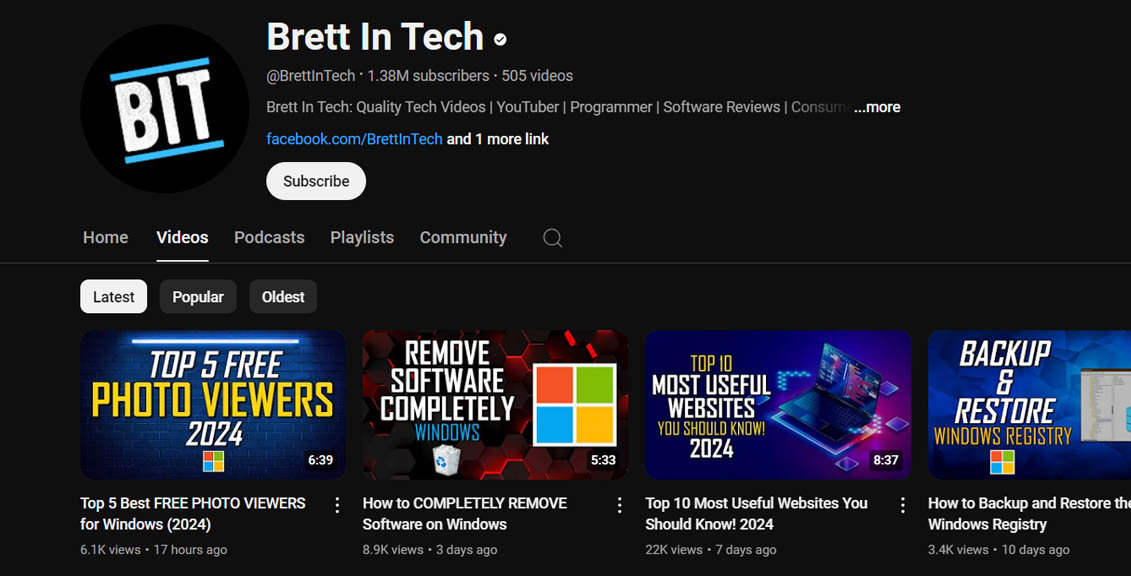
Tech channels excel with product demos, comparisons, and tutorials. Show the tool or software in action, explain why you use it, and link in the description. Programs like Amazon Associates work for hardware and accessories; SaaS programs (e.g. Canva, OBS, editing tools, SEO tools) often offer recurring commissions. Channels like Brett in Tech demonstrate that faceless tech reviews and tutorials can drive strong affiliate revenue when the recommendation is genuine and the link is easy to find.
Finance and Investing
Finance audiences look for budgeting apps, investment platforms, and educational resources. Affiliate programs for financial tools and courses fit well. Promote products you would actually use or that clearly address a problem you've explained in the video. Transparency about your experience (e.g. "I use this for my own tracking") helps. Channels that explain concepts clearly, such as those using whiteboard or animated formats, can integrate "resource I recommend" links without breaking the educational tone.
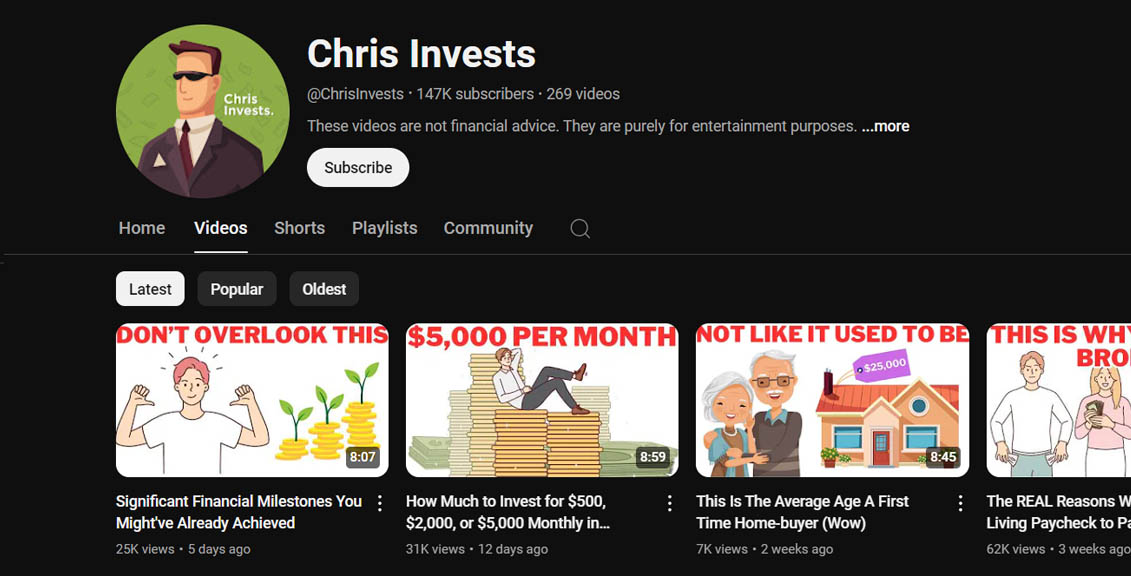
Channels like Chris Invest demonstrate how faceless finance content can pair with affiliate recommendations: clear explanations of concepts, plus links to tools or courses that support what the viewer is learning. The finance niche typically attracts higher-value affiliate offers, so matching your content to the right programs pays off.
Education and How-To
Tutorial and educational channels can promote courses, books, and software that support learning. Platforms like Teachable host courses and offer affiliate programs that pay recurring commissions when your audience signs up.

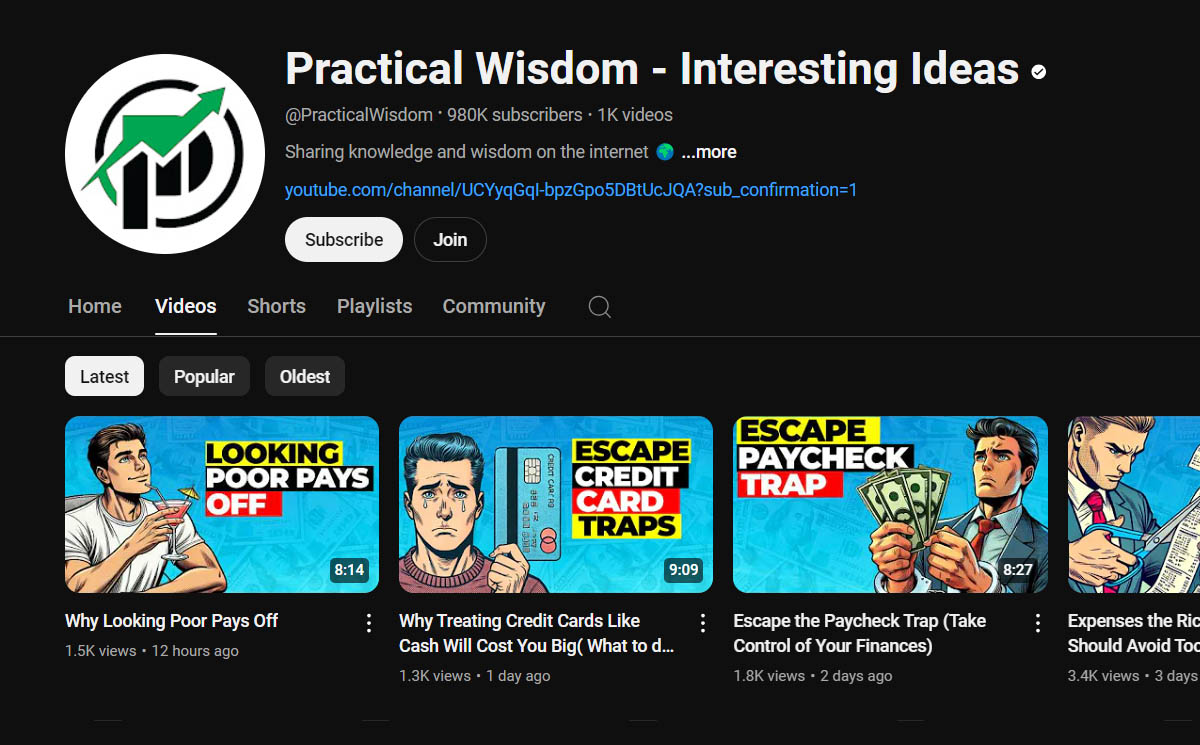
Channels like Practical Wisdom (finance and ideas) or Economics Explained (economics explainers) show how faceless education content can pair with course and tool recommendations: the video teaches a concept, and the description or pinned comment links to a resource that deepens learning.
So do tools for scripting, AI voiceover, or design. Link to the resource when it directly supports the skill you're teaching. A "resources" or "tools I use" section in the description keeps the main tutorial clean while still offering affiliate options.
Entertainment and Lifestyle
Entertainment channels have fewer obvious product fits, but you can still promote merchandise, books, or services that match the theme (e.g. horror, true crime, relaxation). The key is relevance. Forcing unrelated products damages trust. When the product fits the content, disclosure and a single clear link in the description and pinned comment are enough.
Building Trust and Improving Conversions
Trust is what turns viewers into buyers. A few practices keep your affiliate strategy sustainable.
Recommend products you've actually used or researched. Viewers can tell when a recommendation is generic. If you're comparing tools, say what you liked and what you didn't. Honest comparisons build credibility and reduce returns or chargebacks that can affect your standing with programs.
Keep the primary focus on value. The video should solve a problem or entertain first. The affiliate link is a logical next step for those who want the product, not the main purpose of the video. This aligns with how successful automated and faceless channels structure content: value first, monetization second.
Space out affiliate mentions. If every video pushes the same product, it feels repetitive. Rotate offers, tie them to specific topics, and only link when the product clearly fits. Quality of fit matters more than quantity of links.
Track what works. Use the program's dashboard to see which videos or links drive clicks and sales. Conversion rates often sit between 0.5% and 1% for broad affiliate programs, while content-focused affiliates in strong niches can see higher rates. Double down on content and placement that converts, and adjust or drop what doesn't. Over time you learn which products and formats your audience responds to.
Combining Affiliate Marketing With Other Revenue Streams
Affiliate income works best as one part of a diversified monetization strategy. Ad revenue, sponsorships, digital products, and affiliate links together smooth out swings in any single source. Many faceless creators start with affiliate links before they qualify for the YouTube Partner Program, then keep affiliate as a stable pillar even after ads are enabled. As you add more content, you create more entry points for affiliate clicks without depending on a single viral video.
Frequently Asked Questions
Do I need a lot of subscribers to do affiliate marketing?
No. Many programs have no minimum. You can add affiliate links from your first video. Conversion depends on relevance and trust, not subscriber count. Smaller audiences that match the product often convert better than large, unrelated audiences.
Do I have to disclose affiliate links on YouTube?
Yes. The FTC requires clear and conspicuous disclosure of material connections, including affiliate links. Failing to disclose can result in fines. Disclosure also builds trust and keeps your audience informed.
Where should I put my affiliate link for the most clicks?
Place your main link in the first 2–3 lines of the video description (above "Show more") and repeat it in a pinned comment. Add a short, clear call-to-action in the video (e.g. "Link in the description"). This combination reaches viewers who read the description and those who scroll comments.
Are recurring commission programs better than one-time?
For many faceless creators, yes. Recurring programs (SaaS, subscriptions) pay you every month your referral stays active. One referral can earn hundreds of dollars over a year. One-time programs (e.g. Amazon) are still valuable for product reviews and impulse buys; use both when they fit your niche.
Can I use affiliate links if my channel isn't monetized with ads?
Yes. Affiliate marketing is independent of the YouTube Partner Program. You can use affiliate links whether or not your channel is approved for ad revenue. It's a practical way to earn before you hit subscriber and watch-hour thresholds.
Summary
Affiliate marketing gives faceless creators a stable income stream that doesn't depend on ad CPMs or showing your face. Choose programs that match your niche, prefer recurring commissions where it makes sense, and place your main link in the first lines of the description plus a pinned comment. Disclose clearly and consistently to stay compliant and build trust. Match products to your content, recommend what you know, and treat affiliate links as a natural extension of the value you already provide. Over time, that approach turns your existing content into a reliable part of your monetization mix.